Diego Alberti and Frédéric Liver on Japan, Making, and What Stays With You
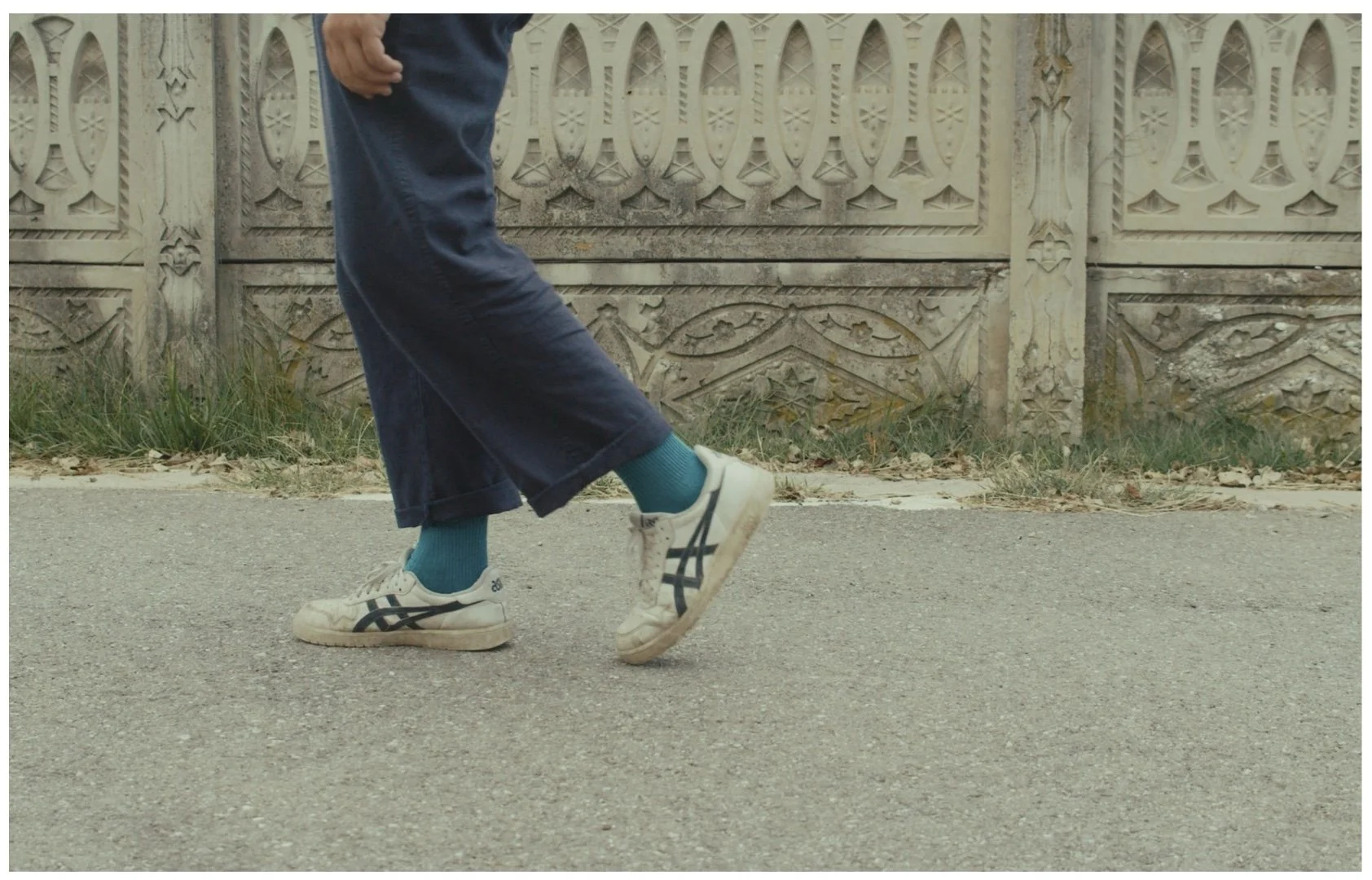
Image courtesy of Frédéric Liver
In 2025, French artist Frédéric Liver and Argentine artist Diego Alberti both spent time at the Hayama Artist Residency. One works with bodies, water, collaboration, and film; the other with machines, sound, and precision. What follows is a poetic conversation between Hayama Artist Residency Founder, Dexter Wimberly and the artists.
What was your first impression when you arrived in Japan?
Frédéric: I arrived in spring. Tokyo first, then Hayama, a little later. I wasn't ready. Tokyo is big. Lost. I understood nothing. Hayama, the sea, Mount Fuji hidden. I looked for solutions, one day at a time. Buying film, finding a restaurant. I went to a Keiji Haino concert the day after I arrived. I saw a snake on the way back from the shops. These gestures became my way of settling in. Through presence. Through perseverance, in its quietest form. Attention to small things.
Diego: In Japan, everything is carefully thought out, executed, and designed with a purpose. Something that caught my attention is that even the simplest things look extremely well done when viewed from the train. In my work, I always try not to leave anything to chance. Understanding how the Japanese approach their work, no matter what it is, is truly inspiring. In Japan, everything just clicks.
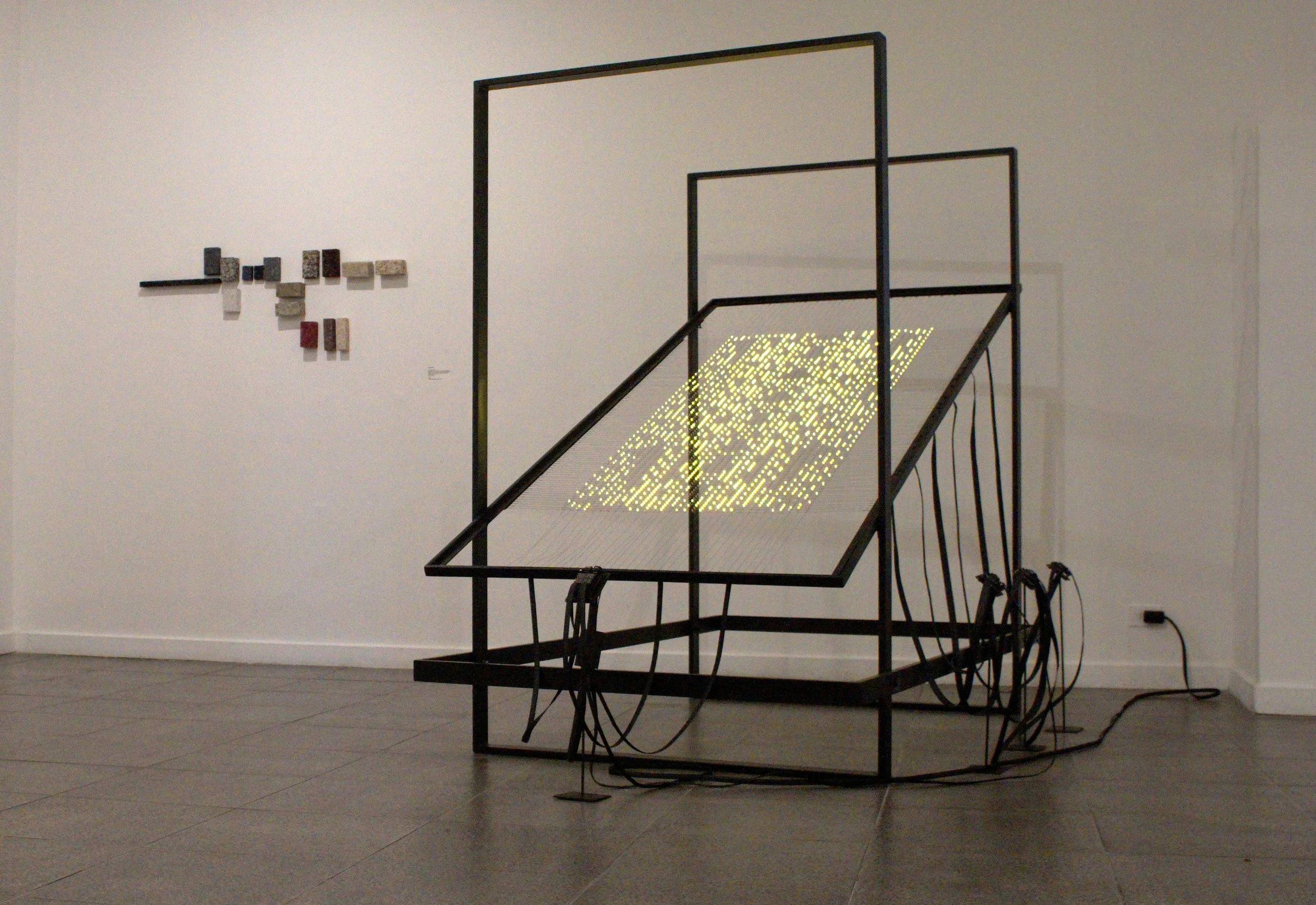
Image courtesy of Diego Alberti
Japan has deep traditions around discipline and craft. Did that register in your work, or in how you moved through the country?
Frédéric: Japan has its own relationship to discipline and perseverance, which feels close to what I explore. But I didn't feel it all at once. I discovered Image Forum, Japanese experimental cinema. I tried to meet people. The sun rises very early. These small things accumulated. Attention to small things. Care for others. Silent.
Diego: It's obvious that it has little to do with technology itself, but rather with how it is used. During my residency, I visited the Toyota Commemorative Museum of Industry and Technology in Nagoya. It's impressive to see how the development of technology reflects the state of affairs and the purpose behind things. At the Takenaka Museum of Traditional Carpentry, I saw exactly that: technology is not in the tools, but in the sophisticated use that can be made of them.
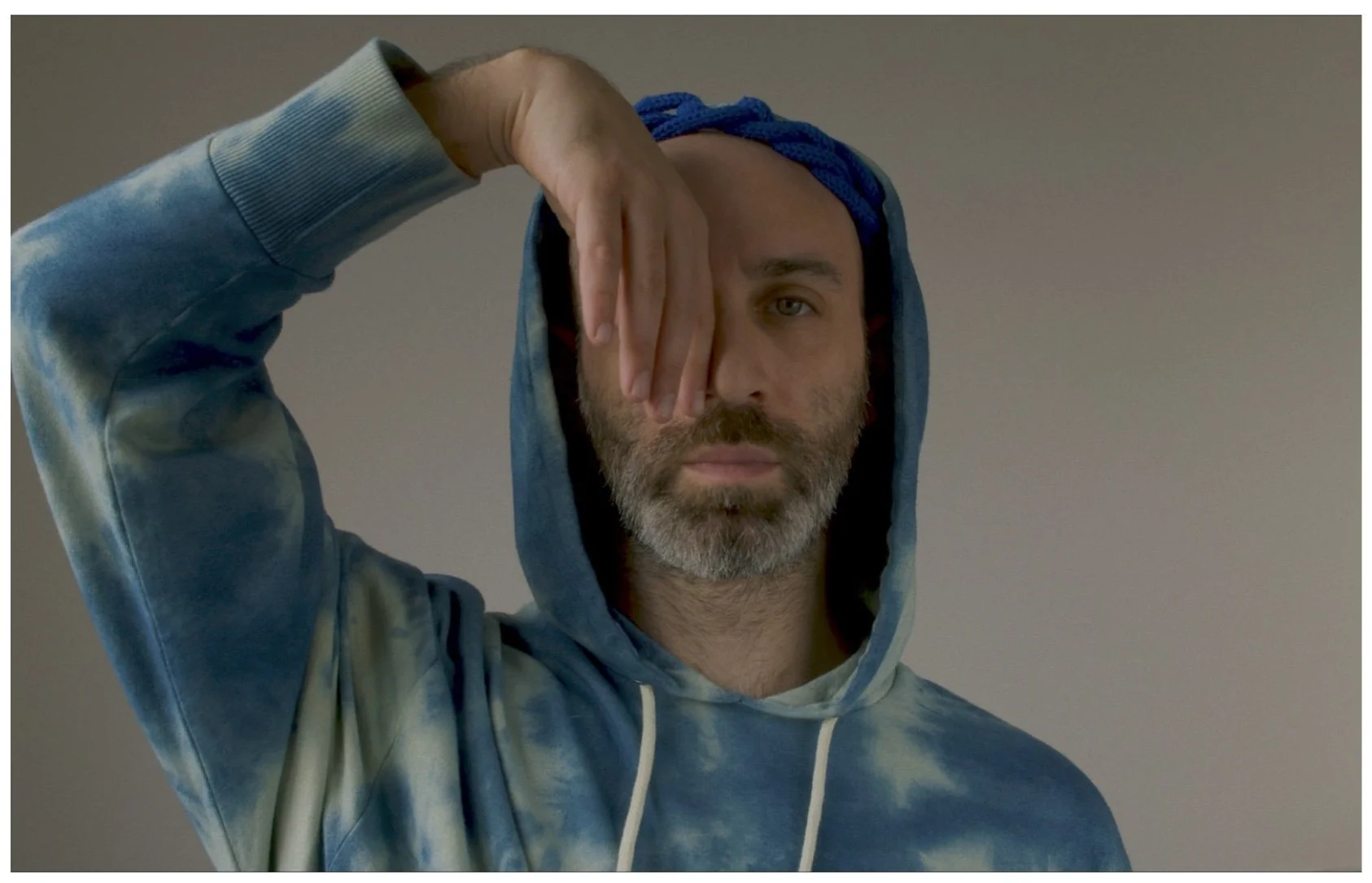
Image courtesy of Frédéric Liver
Hayama is a particular kind of place. How did the landscape ask something of you?
Frédéric: I knew different versions of Hayama. I saw the beach preparing for summer. The guards of the imperial residence, discreetly curious. The warm sea, welcoming, finally. Not the Channel, not the Atlantic. A pool inside a large building, sunk in shadow, empty, silent. Higher up, nature. The green of plants. Its density. Walking in the heat. Breathing differently. Getting lost in the alleys. The body adapts.
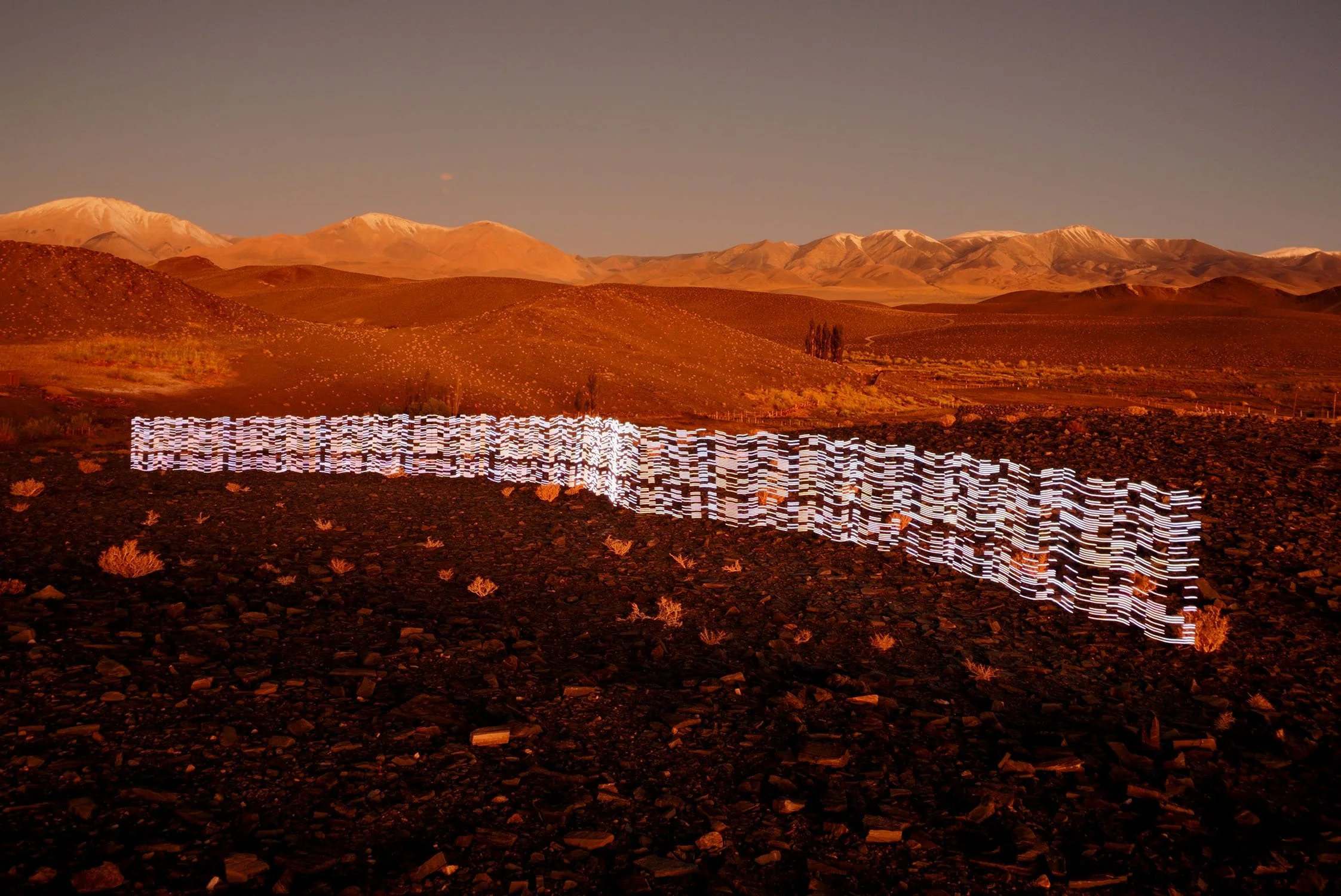
Image courtesy of Diego Alberti
Diego: I like to collect seas. The coastline is different, yes, but the sea itself is always the same; it's connected in some way. I walked a lot along the beach, collecting and examining seaweed and shells that don't exist on my side of the world. I find those structures and designs very attractive. The beach is also a good place to understand Japan and its people: newlyweds, dressed up for the occasion, taking pictures by the sea. I had never seen that before.
Did the residency bring unexpected encounters or ideas you didn't anticipate?
Frédéric: I met Yuri in a café near Asakusa. I'd contacted her by email. Told her about my project, about water, dance, my fears. A month later, we met in a pool in Hayama. My body floating, held by her for an hour. We met a second time. We both had black caps. I was more confident. She noticed. I wanted to meet musicians from the Japanese noise scene. I saw concerts. We sang on the rooftops of Kichijoji with Fu and zzzpeaker. We shared food, drinks. I had a project. It became something else.
Diego: The scale of things. Every supermarket, every train station, the buildings. Everything is several orders of magnitude larger than what we are used to in Argentina, or even in the rest of the world. Having traveled quite a lot, I found it overwhelming in a way I hadn't expected.
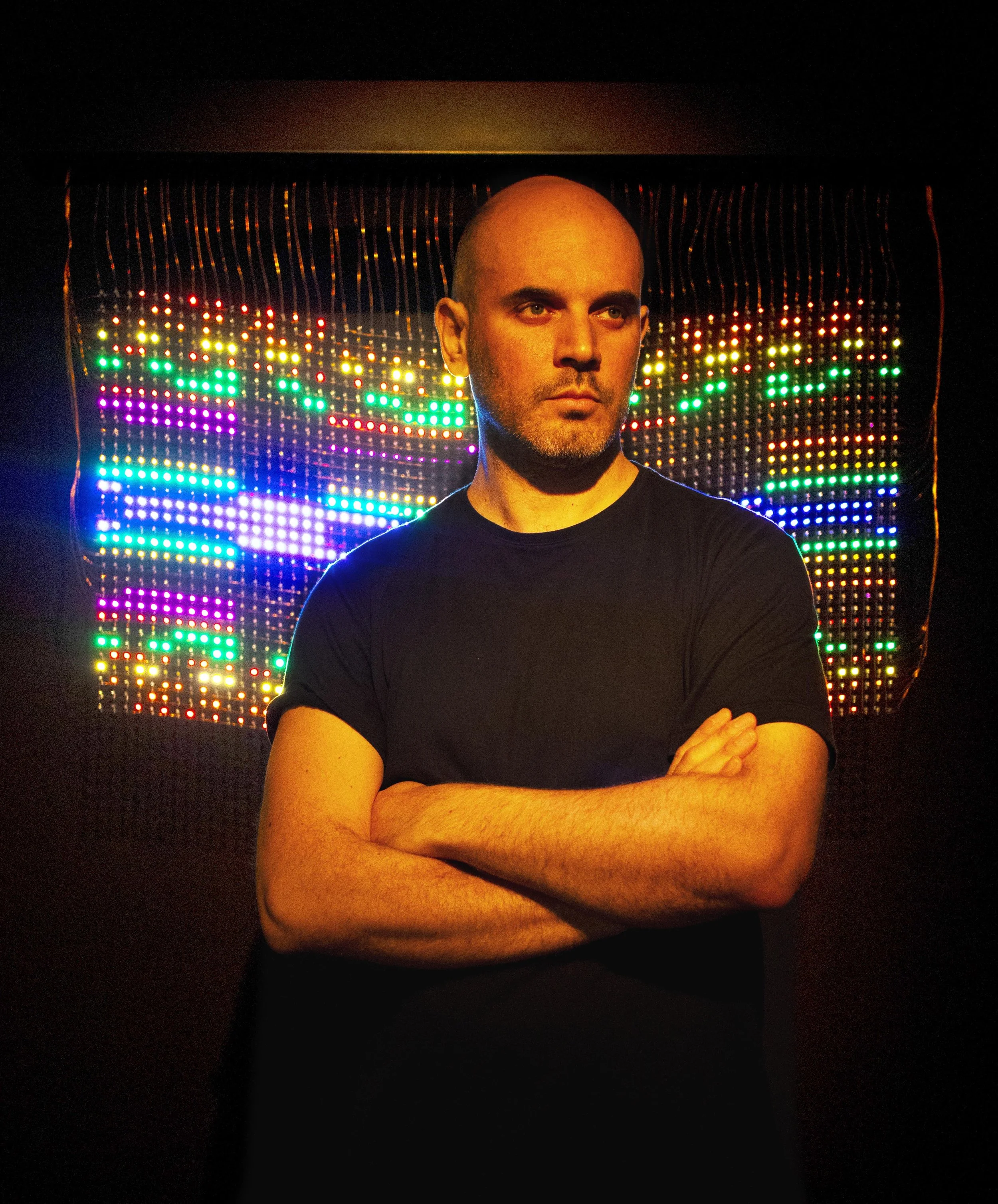
Image courtesy of Diego Alberti
Where did you travel during your time in Japan?
Diego: I went to many places. Many locals told me that even they hadn't traveled as much of Japan as I had. I went to Kobe, to the Hyogo Prefectural Museum. The prefectural museums are simply excellent. I was able to visit Naoshima Island and the Ryoan-ji garden, which will undoubtedly become an important reference point for my career: John Cage, Richard Serra, Isamu Noguchi. All artists I deeply admire found inspiration there. I also took the opportunity to visit the works of the great Argentine architect César Pelli. The Abeno Harukas observatory in Osaka is a must-see.
Frédéric: Mostly Tokyo and its surroundings. Yokohama. The Miura Peninsula, Hayama. A trip to Mount Fuji. The lakes. It stayed hidden the whole time. It showed itself on the bus back. Briefly. Kyoto. Concerts in small independent venues. Sachiko M. That pool. Its history. Above all, everything I didn't see.
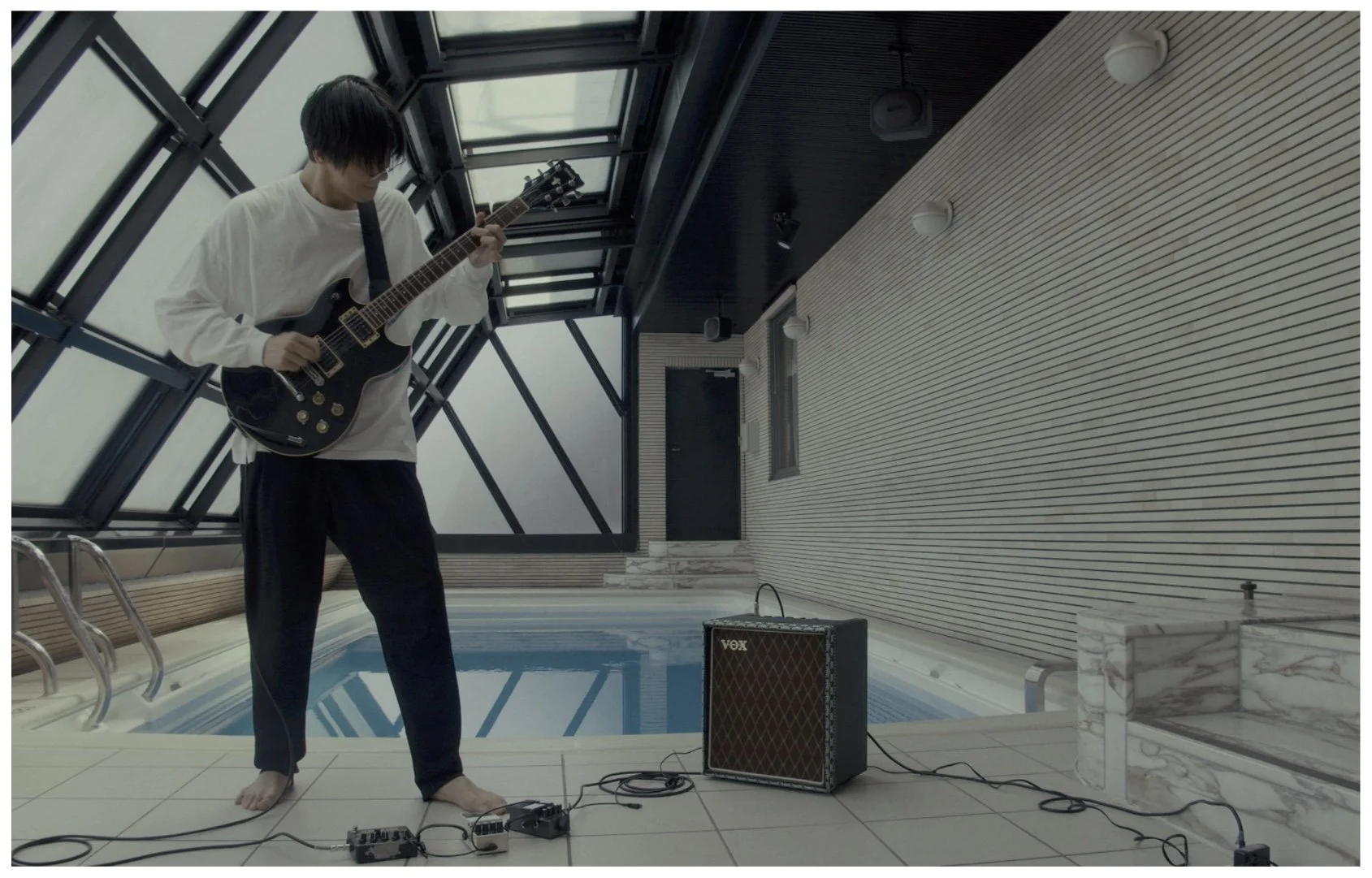
Image courtesy of Frédéric Liver
How does moving through a culture that isn't yours shape how you think about making work?
Frédéric: The method doesn't really change. But you have to know how to accept. Stay fluid. Adapt. Be porous. Work around the difficulties of communication. Find alternatives. Not hold too tight to what you wanted at the start. Let it drift toward the singularities of the place. Get lost, sometimes. Moving, changing places trains you to shift perspective constantly. Not to harden into certainties. To work in a context you don't control.
Diego: My position was about being available and open. Coming from Latin America, where safety is something to worry about when traveling, my advice is to be careful, but also to be aware that crime is not that common in Japan. Enjoy the hospitality. Respect the rules. Learn how to use map apps and translators. Always carry cash. And pay attention. Japan is in the details.
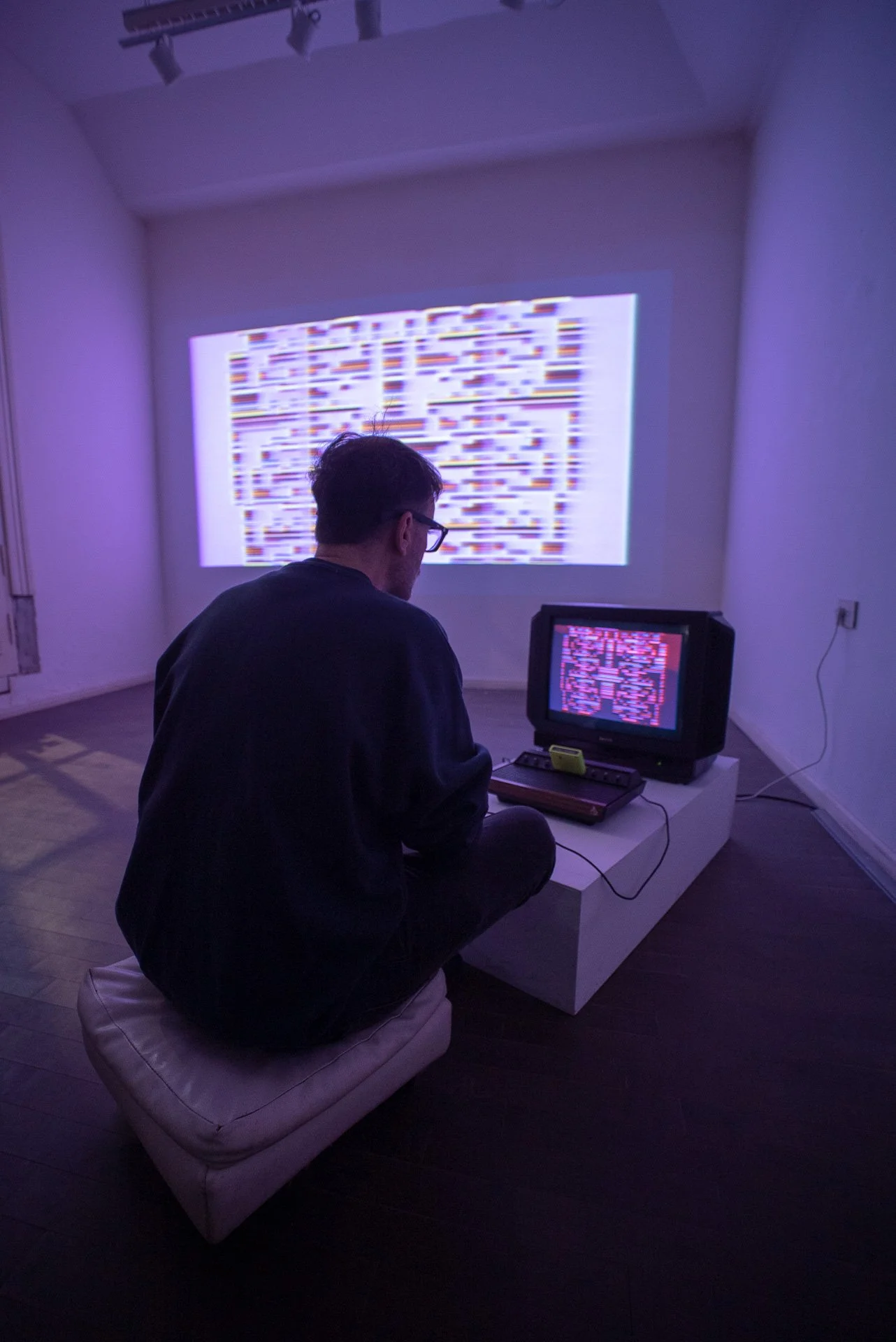
Image courtesy of Diego Alberti
What are you working on now, and what's next?
Frédéric: I'm continuing to develop the collaborations started in Japan, with Atsushi Yamamoto and Masahiro Wada. We're preparing a new film together. I'm also learning Japanese. Slowly. A return to Japan, late 2026 or 2027, maybe Yokohama, maybe Kyoto if the Villa Kujoyama application comes through. And the project Pool keeps moving, keeps growing. In a few days, an exhibition in Quebec, Piscine et autres corps d'eau, led by Guillaume Clermont. New encounters. New stories. In Romania, the project It Could Have Been... Gold continues. The next chapter is taking shape. Perhaps the last. A big collective ball.
Diego: I just released a new EP called Made in Japan. It wasn't actually made in Japan, but the musical instruments I used are Japanese. For as long as I can remember, I've been fascinated by Japanese electronic technology. When it comes to audio and sound synthesis, Japanese brands are some of the most inspiring to me. This album is dedicated to those who created these brands: Yamaha, Roland, Casio, Korg. You can listen to it on Bandcamp: https://olaconmuchospeces.bandcamp.com/album/made-in-japan
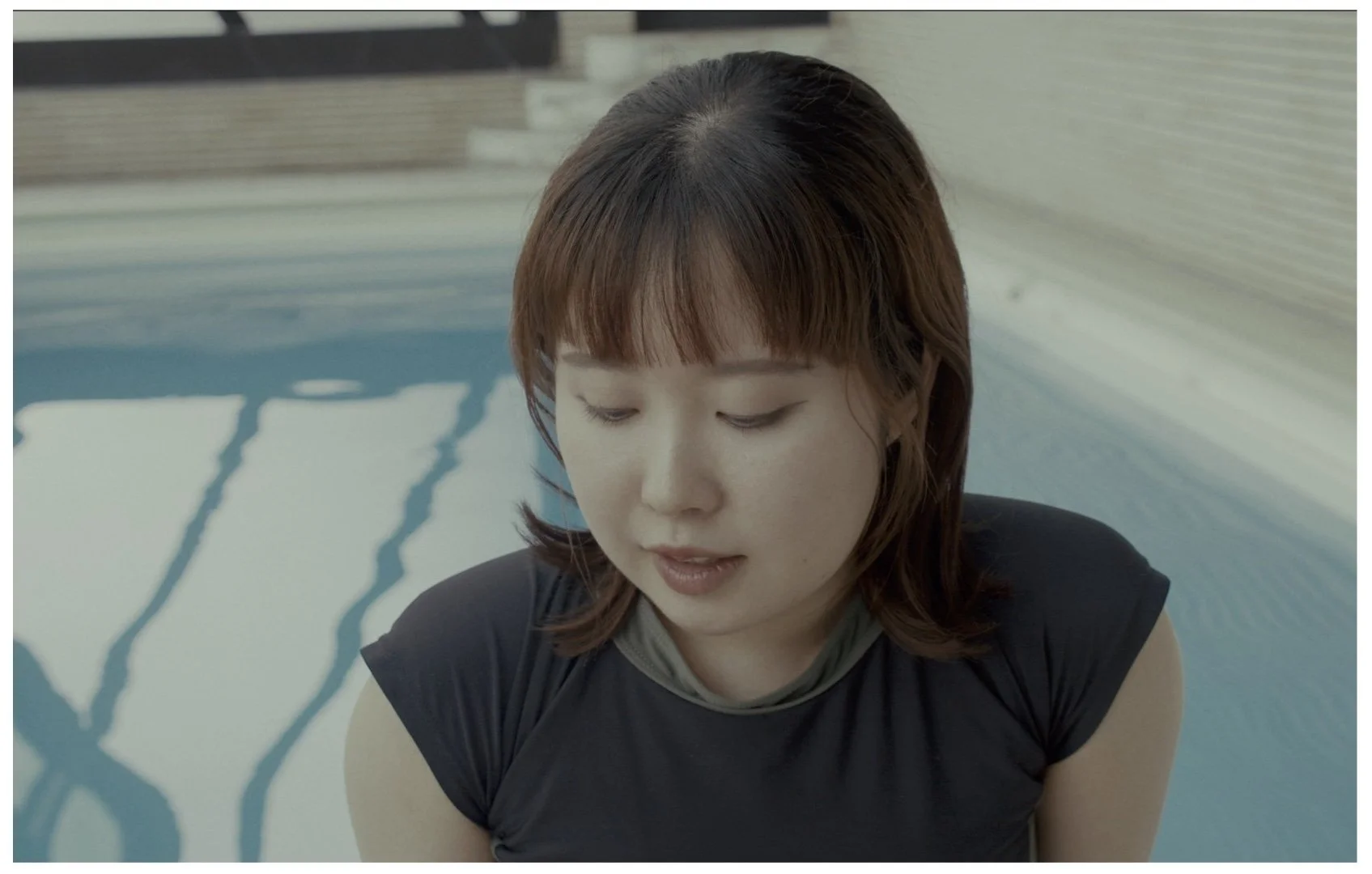
Image courtesy of Frédéric Liver